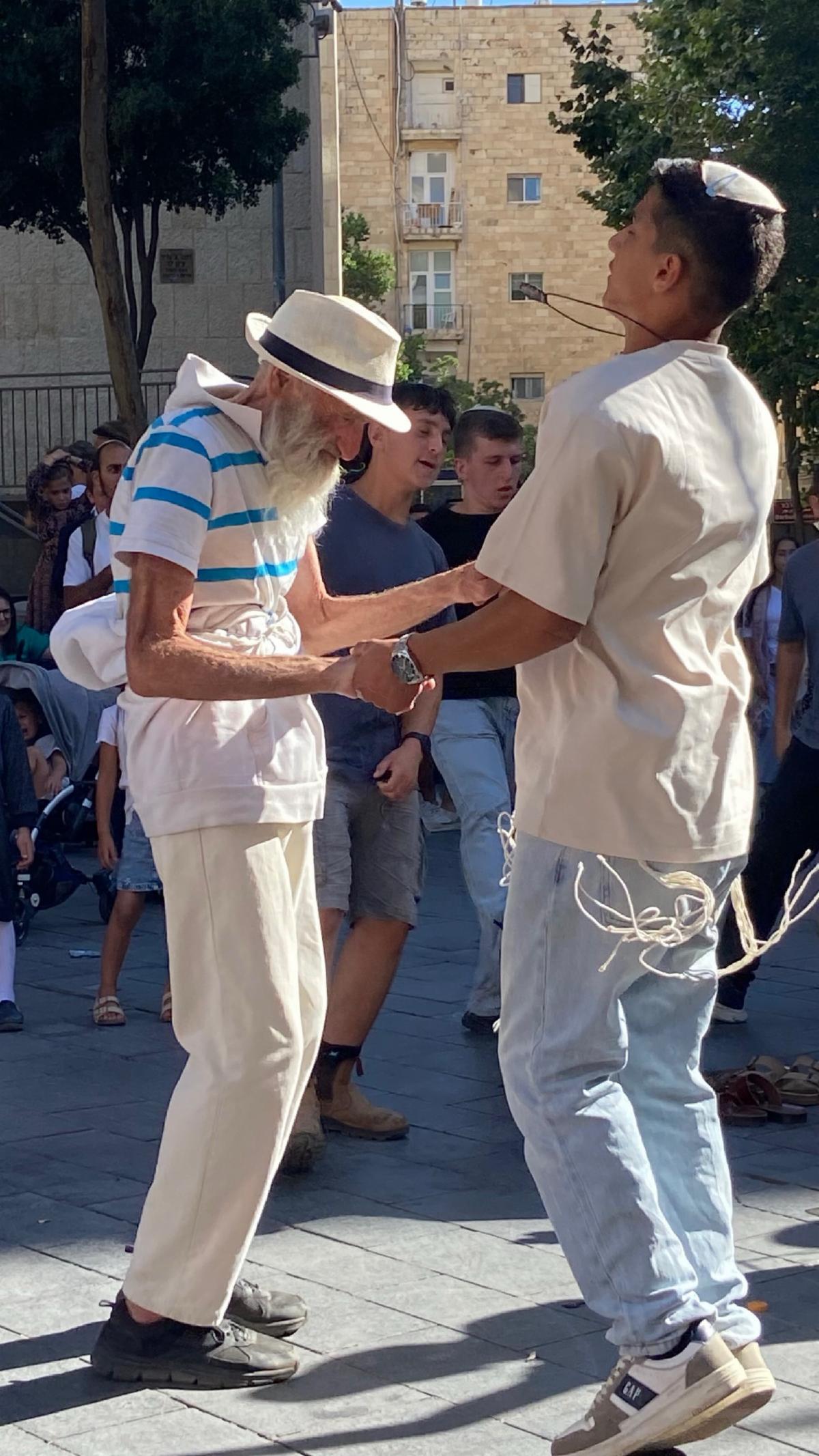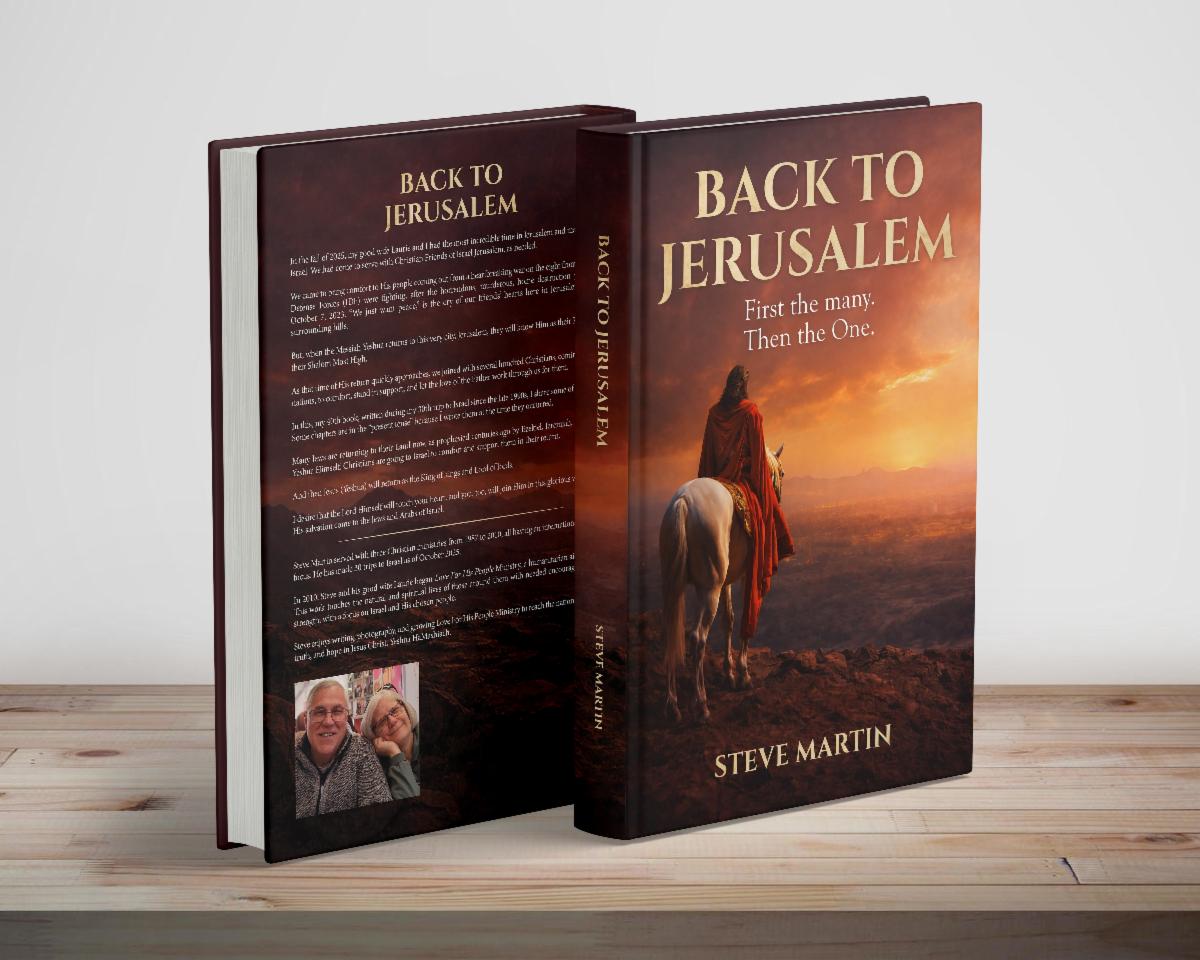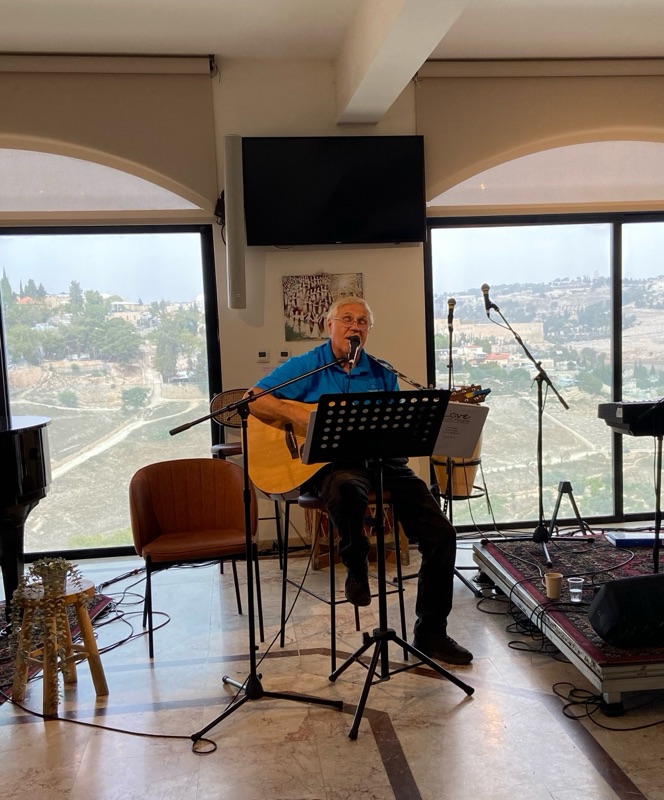
Worship the Lord with me in Jerusalem.
Steve Martin, October 2026

Worship the Lord with me in Jerusalem.
Steve Martin, October 2026
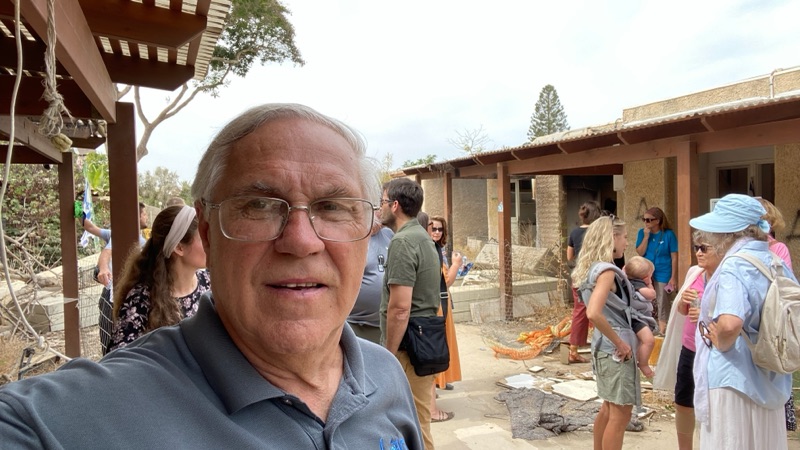
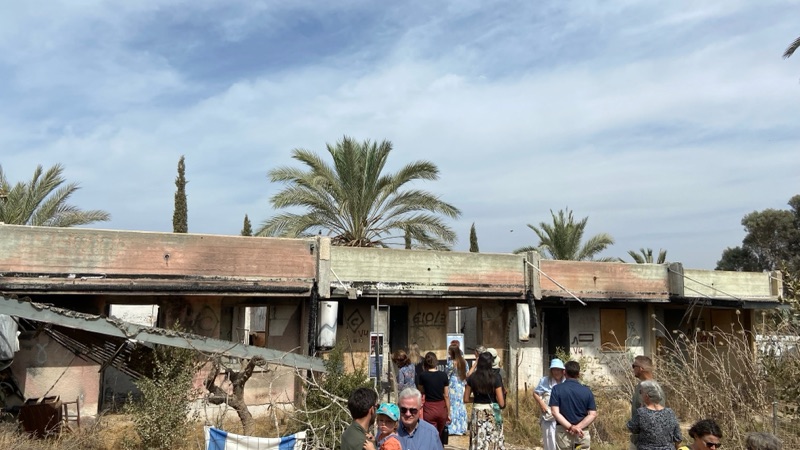
Kibbutz attacked and almost destroyed by Hamas and Gazans in Oct. 7, 2023
Videos by Steve Martin, Oct. 14, 2026 in Israel on the Israel/Gaza border.
We Must Tell the Truth
On Oct. 7, 2023, three years and one week ago, the horrific attack on innocent Israelis, living in kibbutzim (small villages) along the Gaza/Israel border, took place, as over 1000 residents were tortured, murdered, burned alive, beheaded, plus over 200 taken captive back to Gaza.
What does the world cry out? “Genocide!” “Starvation!” “Killing of our innocent kids!”
But they are not crying out for these Israelis who were the actual innocent ones tortured and murdered that day.
I went along with 40 others from the nations, volunteers at Christian Friends of Israel in Jerusalem, on Oct. 14, 2026, to Kibbutz Kfar Aza along the Israel/Gaza border.
Three years, one week after that murderous day, the few people left in the small community preserve the homes of those murdered.
That the world will see and know the truth. If they will but look.
This is what the people of the nations needs to see, and these who miraculously survived want the world to see it still, as it was that day.
Continually the nations march in their parades with their pre-made banners and prepared slogans, to make Israel the “evil, racist, genocidal nation” that it certainly is not. By doing so the anti-Semitic liars cover up reality and the truth.
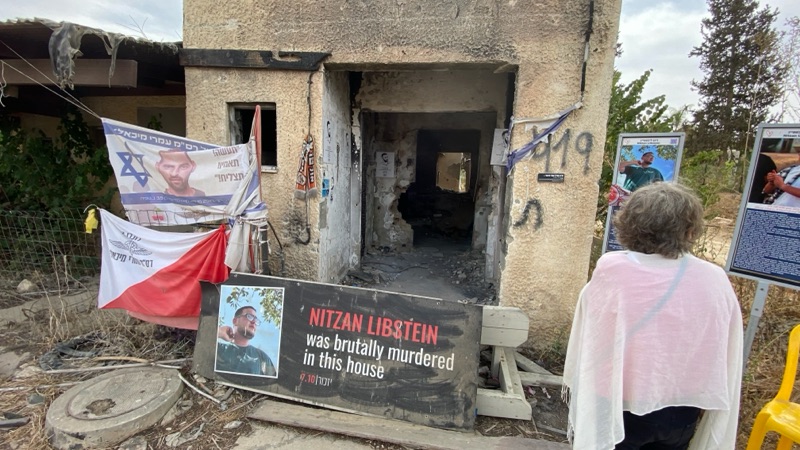
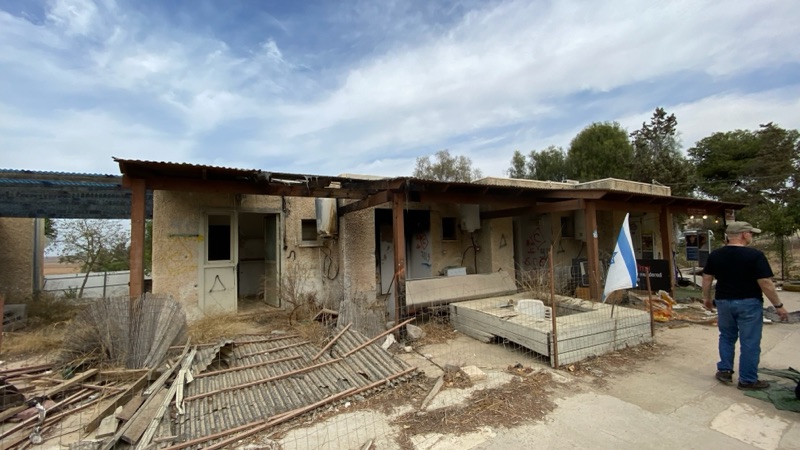
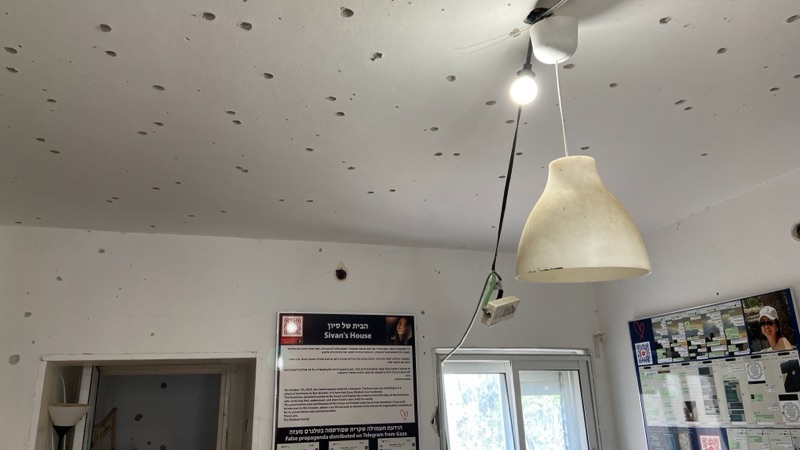
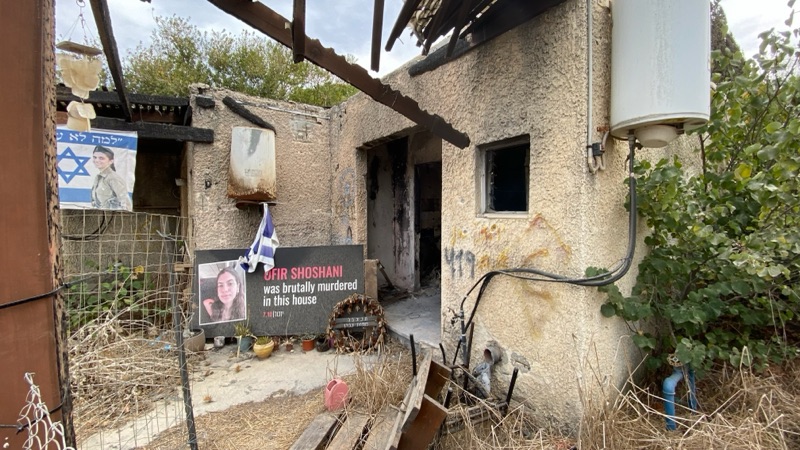
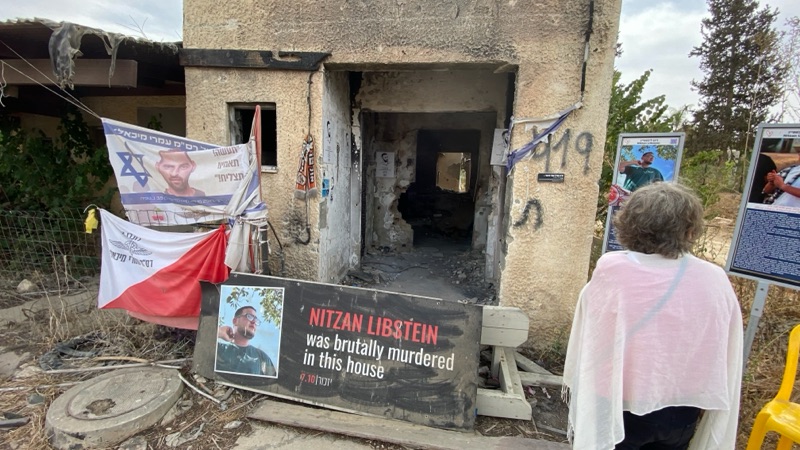
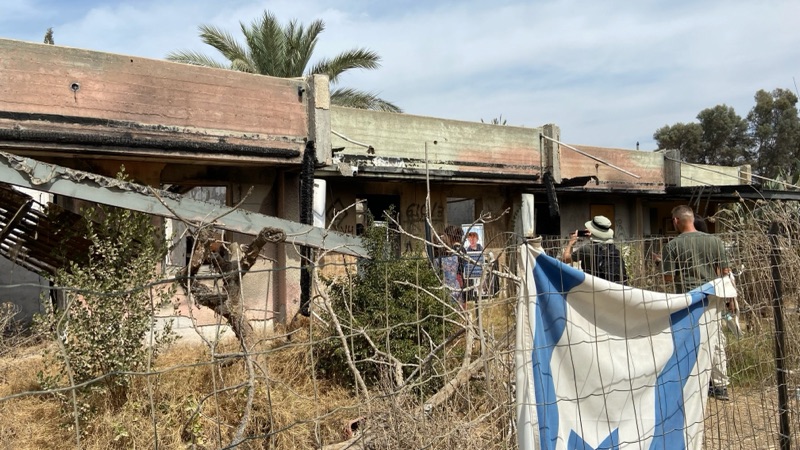
But to this day the truth remains evident. These homes in Kfar Aza have been preserved, from that day as they were so ruthlessly shot, and innocent young residents murdered in them.
Come see the truth. Come know the truth. Reject the world’s lies and stand alongside those who love life and want to live in peace.
We must tell the truth, the way it actually is.
Ahava and shalom,
Steve Martin
Oct. 14, 2026 Jerusalem, Israel
We Must Tell the Truth
On Oct. 7, 2023, three years and one week ago, the horrific attack on innocent Israelis, living in kibbutzim (small villages) along the Gaza/Israel border, took place, as over 1000 residents were tortured, murdered, burned alive, beheaded, plus over 200 taken captive back to Gaza.
What does the world cry out? “Genocide!” “Starvation!” “Killing of our innocent kids!”
But they are not crying out for these Israelis who were the actual innocent ones tortured and murdered that day.
I went along with 40 others from the nations, volunteers at Christian Friends of Israel in Jerusalem, on Oct. 14, 2026, to Kibbutz Kfar Aza along the Israel/Gaza border. Three years, one week after that murderous day, the few people left in the small community preserve the homes of those murdered.
That the world will see and know the truth. If they will but look.
This is what the people of the nations needs to see, and these who miraculously survived want the world to see it still, as it was that day.
Continually the nations march in their parades with their pre-made banners and prepared slogans, to make Israel the “evil, racist, genocidal nation” that it certainly is not. By doing so the anti-Semitic liars cover up reality and the truth.
But to this day the truth remains evident. These homes in Kfar Aza have been preserved, from that day as they were so ruthlessly shot, and innocent young residents murdered in them.
Come see the truth. Come know the truth. Reject the world’s lies and stand alongside those who love life and want to live in peace.
We must tell the truth, the way it actually is.
Ahava and shalom,
Steve Martin
Oct. 14, 2026 Jerusalem, Israel
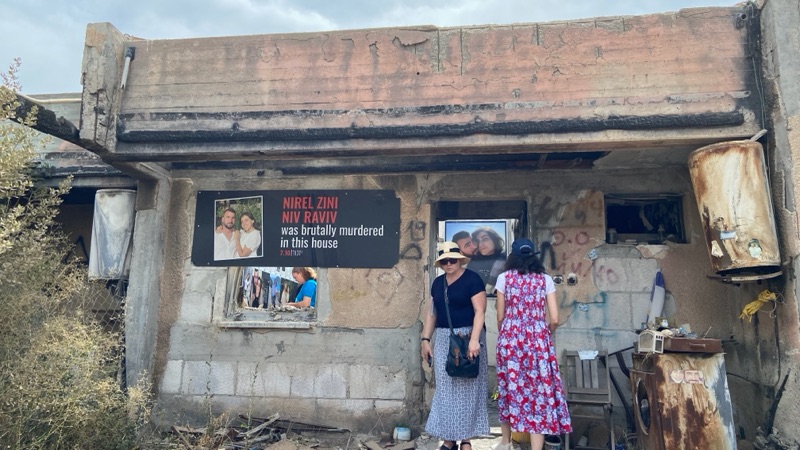
A visit to the Kibbutz Kfar Aza on the Israel/Gaza border. One of the first to be horrendously attacked in Oct. 7, 2023.
Photos and video by Steve Martin.
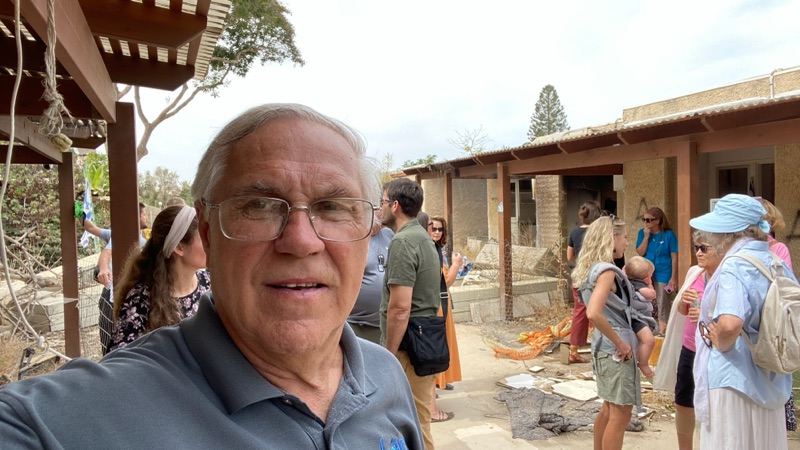
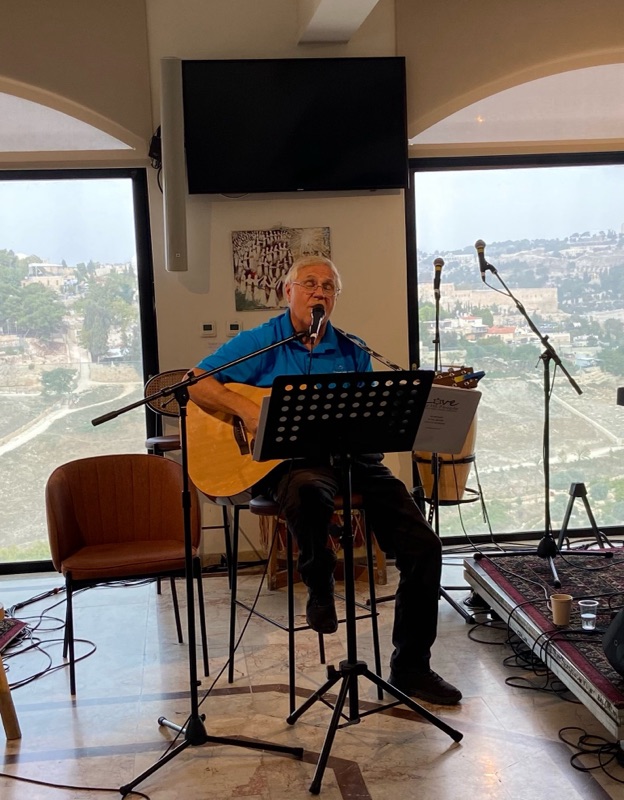
Leading 2 hours of worship at Succat Hallel prayer/praise 24/7 in Jerusalem.
Thank You, Lord!
Steve Martin
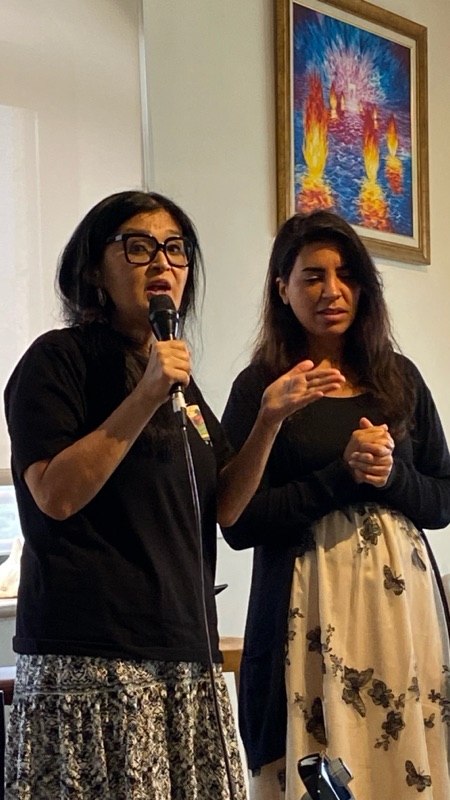
Venera and girl from Germany/Turkey prays for the nations.
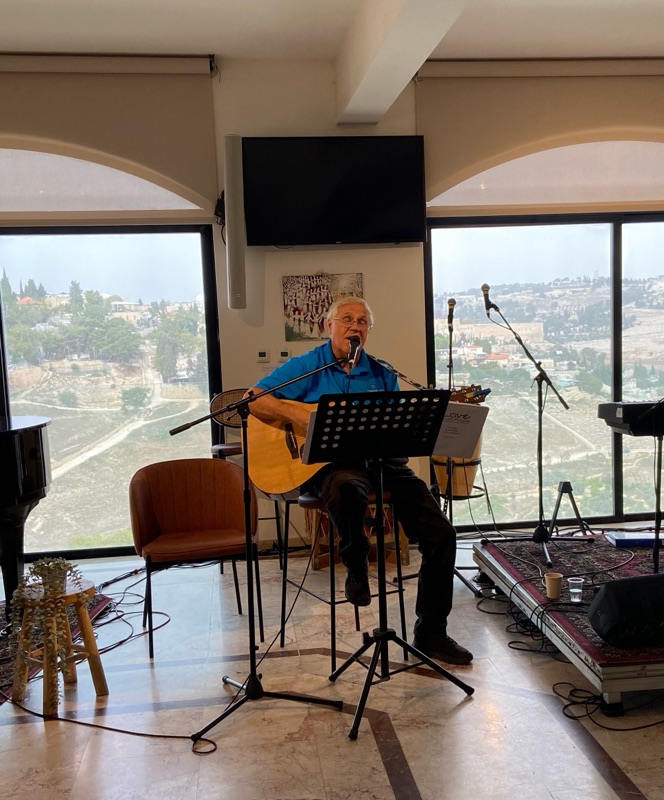
Steve Martin
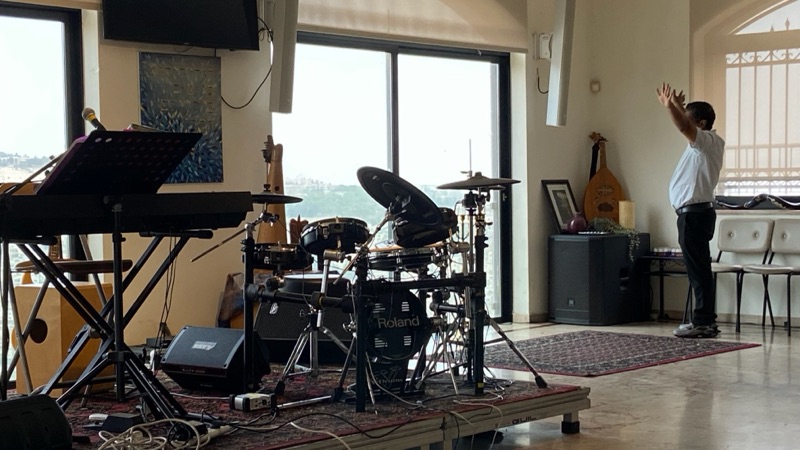
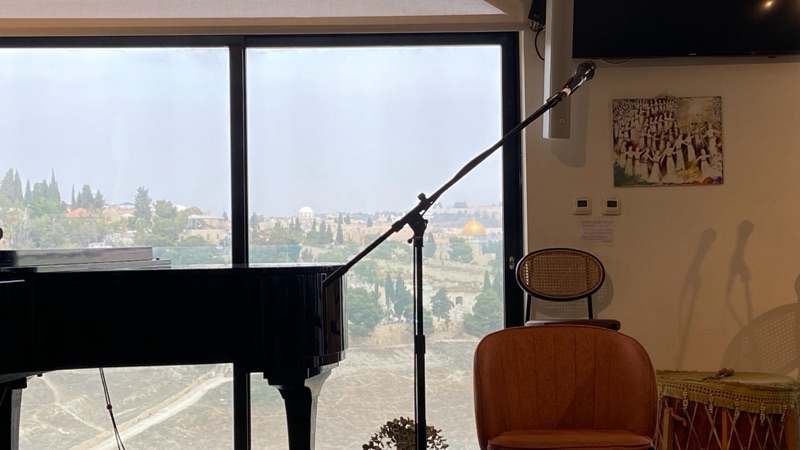
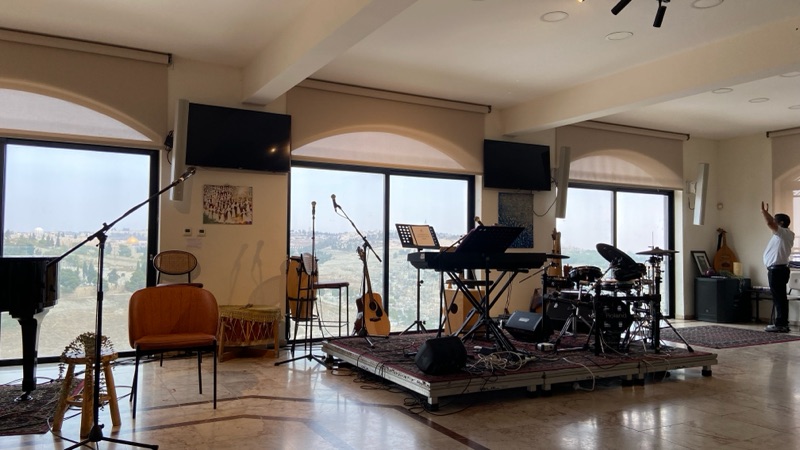
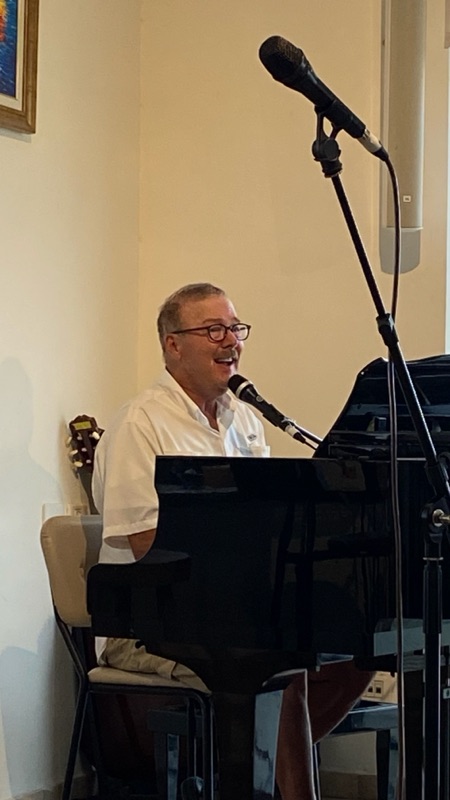
Roger Hoagland leads worship.
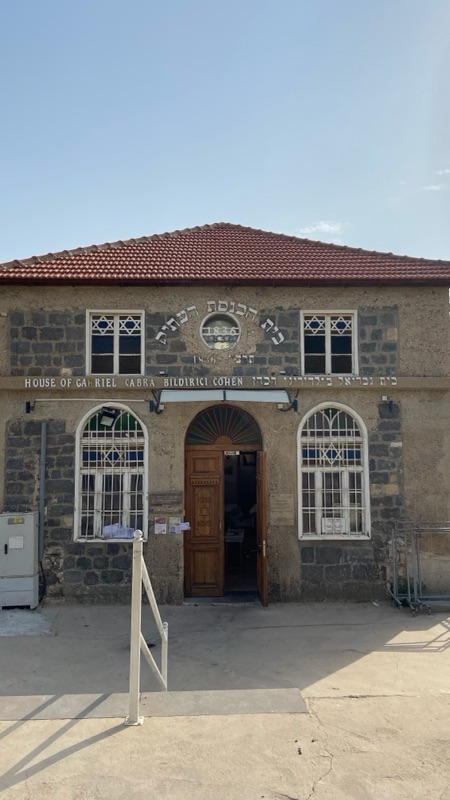
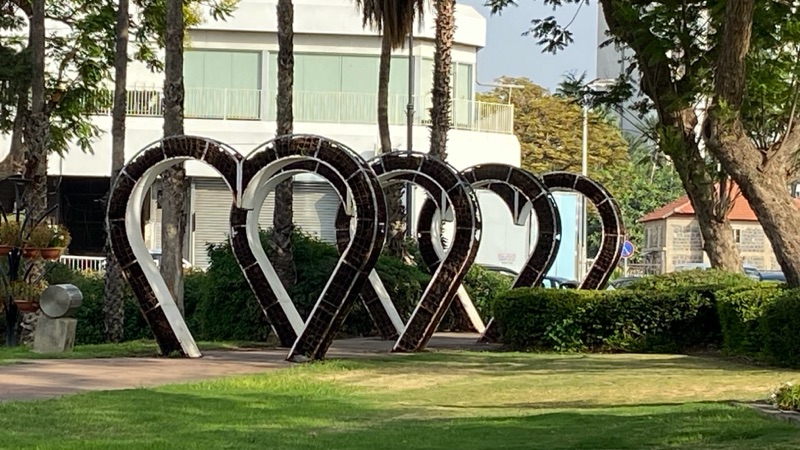
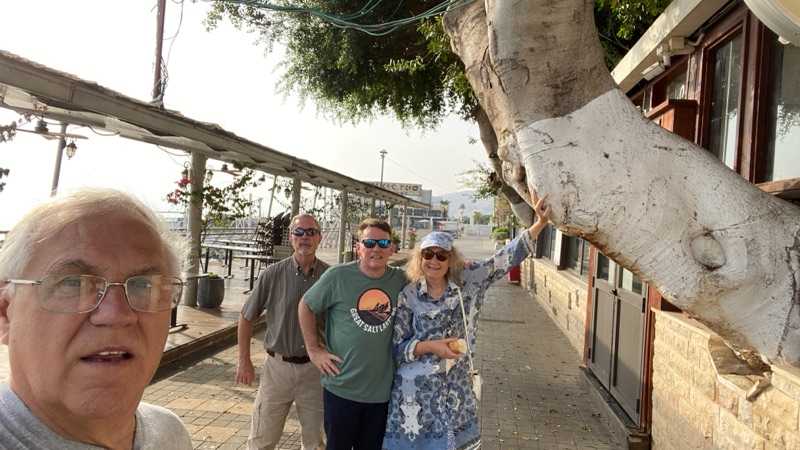
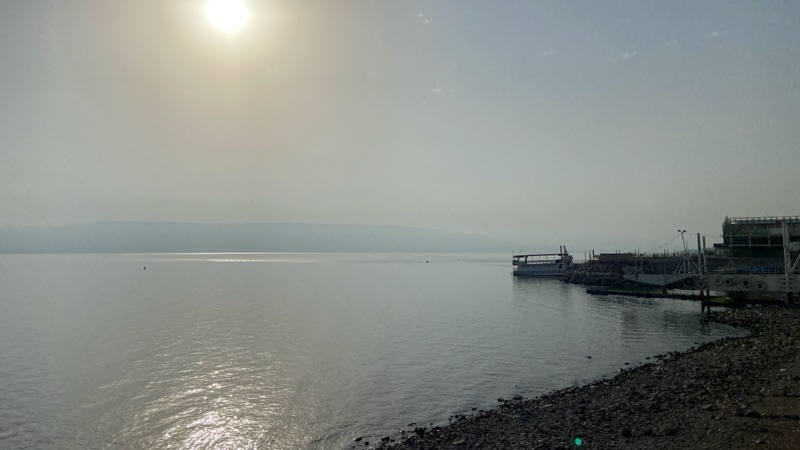
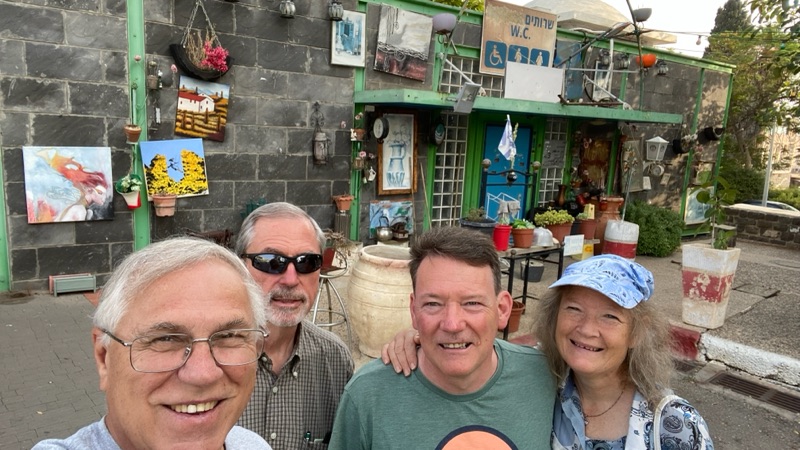
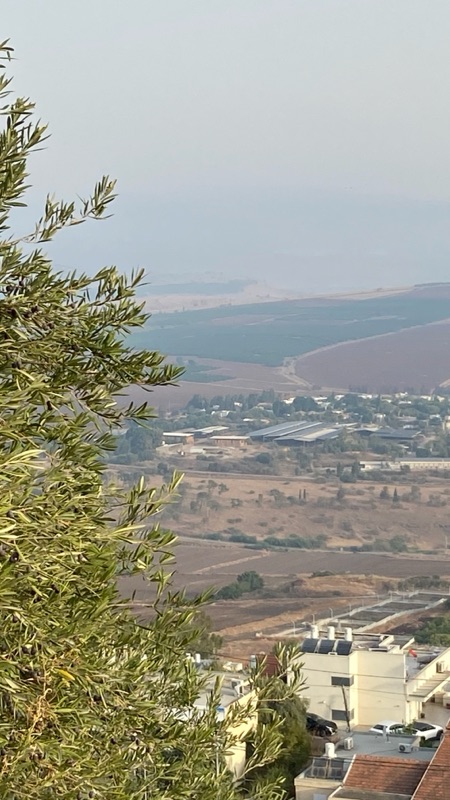
Some videos from our trip to Tiberias Oct. 10-11, 2026.
The first two videos are just audio of the Hebrew worship, as the Russian Jewish congregation did not want video taken.
Be sure to view the walls along the Sea of Galilee and more.
Ahava and shalom,
Steve Martin, in Jerusalem


Why Ask Why?
Having had pneumonia the first three weeks of those 24 days in Jerusalem was not expected.
Something one just never plans for, given the time we have in Israel doesn’t occur every day.
I guess I could do what comes natural and ask, “Why, God?” but then we don’t always need to know why, do we?
Have we not often prayed and declared with all our faith, “My times are in His hands!”
Have we not said, “I have set the Lord continually before me; because He is at my right hand, I will not be shaken.” Psalm 16:8, NASB
We pray for guidance and protection. We ask for His Holy Spirit to direct our every step. We seek to know His will and walk in it.
And then the unexpected happens; that sickness, that accident, that moment or lengthy time of the “this won’t happen to me” happens to me.
So, what do we do? Moan and groan? Complain? Yell at the Lord for “not being who I expected You to be” and keep me from all harm, injury, and difficulties?
We are here for a certain time. We are called to walk as we know to do, heeding His Word and listening to His voice.
Even after decades of doing just that, we are not “guaranteed” the life of a perfect life. No beloved of the Lord has.
We are guaranteed that He will always be with us and not forsake us.
We may not know why now. But someday we will. And in Him we shall trust everyday, until that day.
Until then we keep saying, “My times are in Your hands” and believe Him.
Ahava and shalom,
Steve Martin
Jerusalem 10.10.26
NOW WHAT? (10/9/26), Article by Joni Ames
Dear Friends,
I laid in bed thinking about what all I’ve done in my life. I was a single mom who worked for other Ministries, eventually went into my own ministry, and even trained others for ministry. And now in my 70s, I said to God, “Now what?“
Do you know what He said to me? “That’s up to you.“
That was a mic drop minute for me.
At the end of everything is a new beginning. If we will allow ourselves to not quit, not feel sorry for ourselves, not give up, but to step into it, our life still has value and meaning.
We may be slower, but we don’t have to be done and over with.
Age does not equal stupidity. It equals experience.
When I was in the hospital, one person came around and was asking me my background. They asked my highest level of education, and I said I have a doctorate in theology, an associates degree in business, and a certificate degree in computer operations. She about flipped out. She said she had never before met a patient with a doctorates degree in anything, let alone to have two other degrees as well.
When she left the room, that caused me to feel pretty good about myself and my life. It got my mind off of my health situation and onto the fact that no matter what my health situation is, my life and education and experience is still worthwhile.
When we go through life-changing experiences, we have a choice as to what our life will change into. Will we sit and rot, or will we use the experience and life we have left for the good.
I developed a saying earlier on in my life and it goes like this, “If you let anything start stopping you it will never stop stopping you, so don’t let it start.”
So even though I can’t travel all over the country like I used to, I have continued to teach and minister and council utilizing Zoom and other means of communication.
You would be surprised as to how that works. Because you can be having a rough day and feel down on yourself, but when you give out what God has in you, the return is that it encourages you as well.
Other people can give up on you if they want to. That’s their problem. But don’t you give up on you.
Write articles and let them become books. Speak what is on your mind and let it become teachings for the younger generation.
My students at the schools of ministry that I teach at over Zoom have told me that the stories of my life encourage them to know that God is real and helps them to continue to press on in life.
I remember Rick Joyner saying that in the very areas where we have been wounded, once we are healed, we then have authority to heal others.
We don’t just wear scars. We wear badges of courage from days gone by. From the battles and victories we have experienced throughout the years.
In other countries, they value their elders. They know that they have wisdom to pass on to the younger generations. For some reason in America, they often throw the older folks away and forget them. How sad.
I love it when a younger person asks me for my advice. Even if it is just about cooking. Because I love to cook and I am a good cook.
When I lived in South Carolina, I would cook lasagna or meatballs or some favorite dish and put it into containers and give it away to the workmen in my apartment building or my neighbors. They loved it. So did I.
At Christmas time over the years, a couple of my aunts would bake Christmas goodie boxes of cookies, cakes, and candies and send them to me. Those became my favorite things to receive.
With platforms such as Instagram and TikTok and Facebook, your wisdom has a place to be shared. Whether it is about cooking or just life in general. Don’t let it go to waste. Use it.
So in answer to the question, “Now what?“ - the answer is, “That’s up to you.” and the question is, What will you do?
Do what makes you happy and what will make other people happy. Fill your days with good things. It’s up to you.
Love and Blessings to you!🙏
Joni
*******************
JONI’s INFO
*******************
Cash App: $joniames
Venmo: @Joni-Ames
Zelle: joniames@aol.com
*******************
Joni Ames
P.O. Box 58026
Charleston, WV 25358
******************
Joni’s ministry bio
http://eepurl.com/jrq-ig
*******************
To schedule a zoom meeting with Joni, email her at:
joniames@aol.com
*******************
@everyone
@followers
@highlight
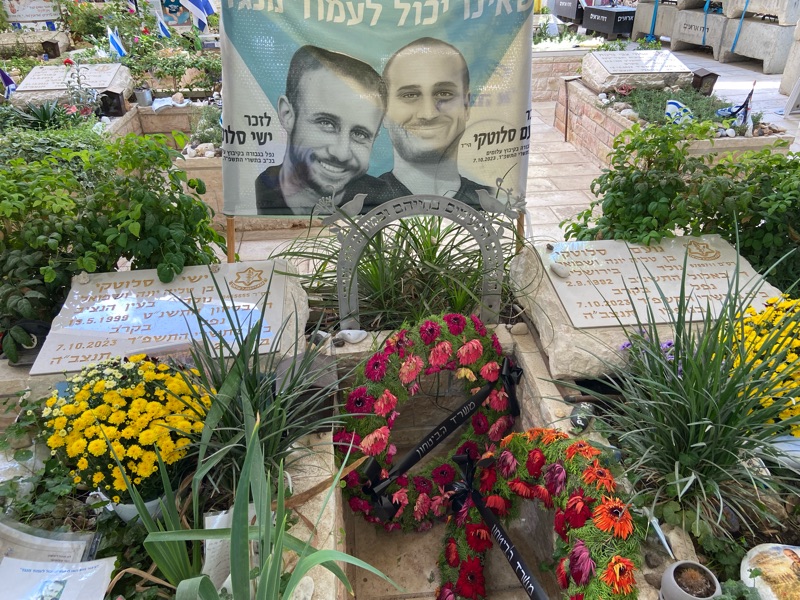
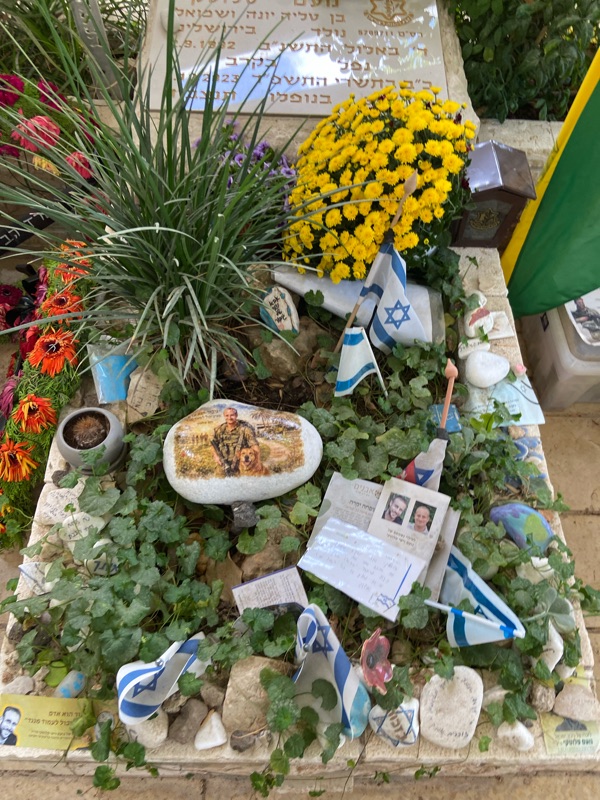
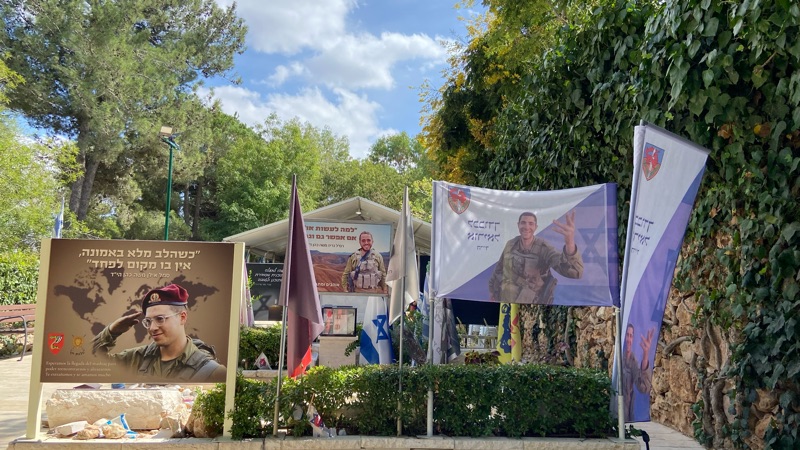
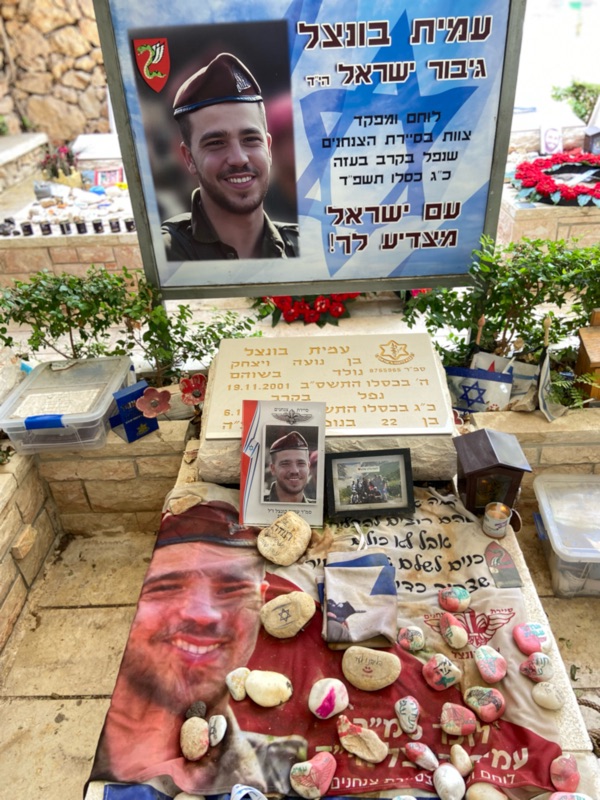
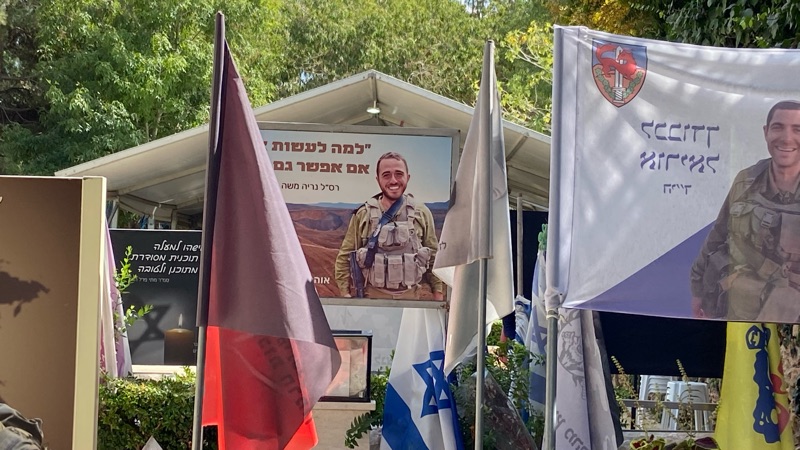
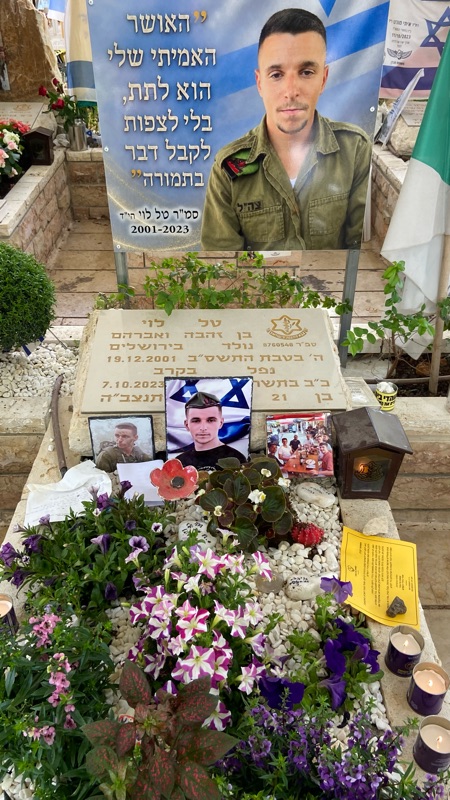
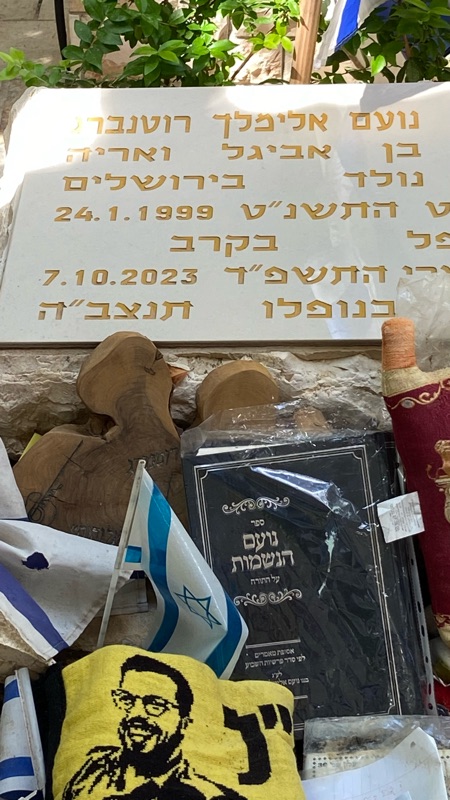
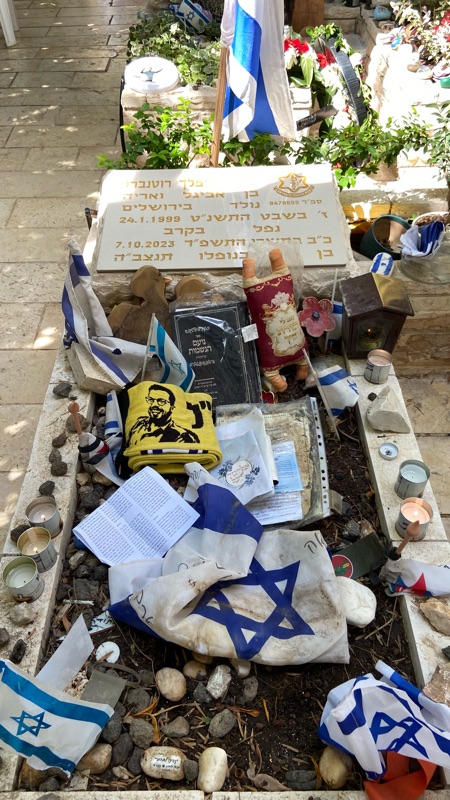
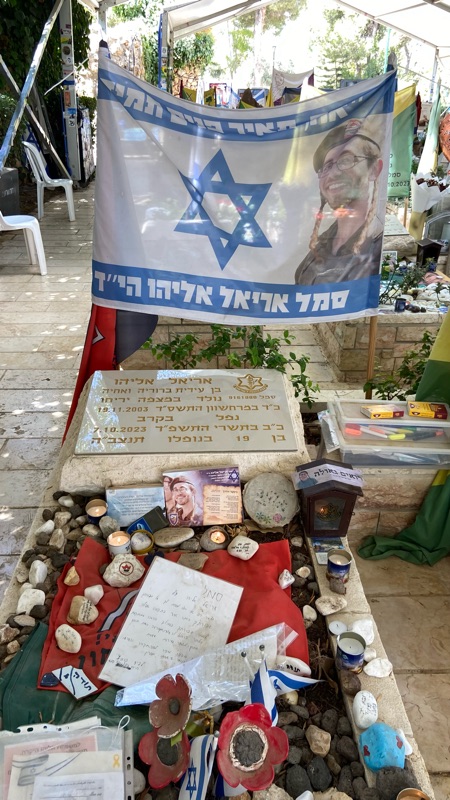
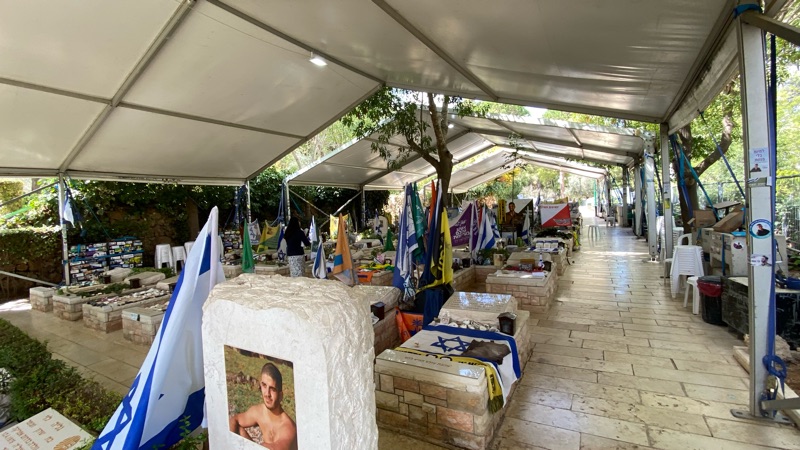
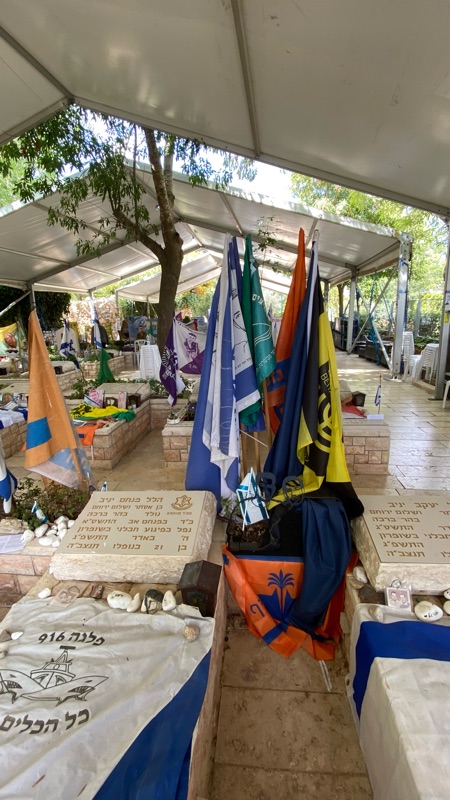
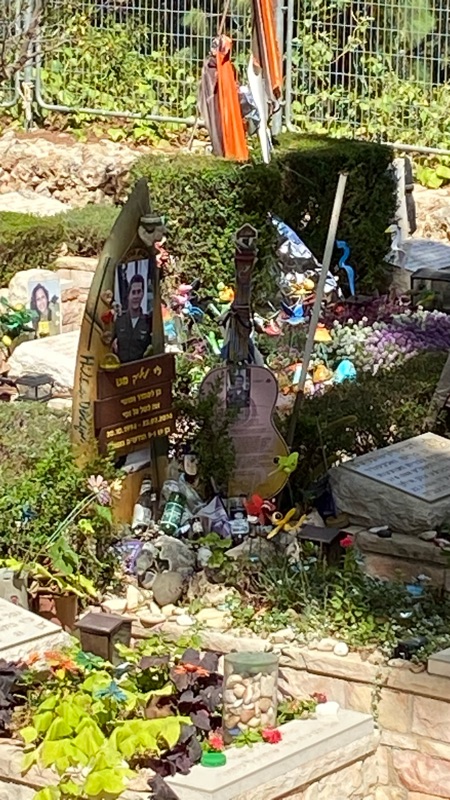
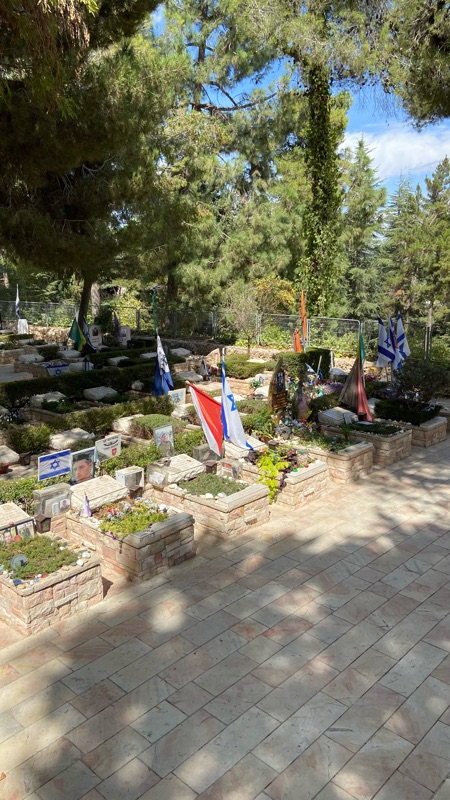
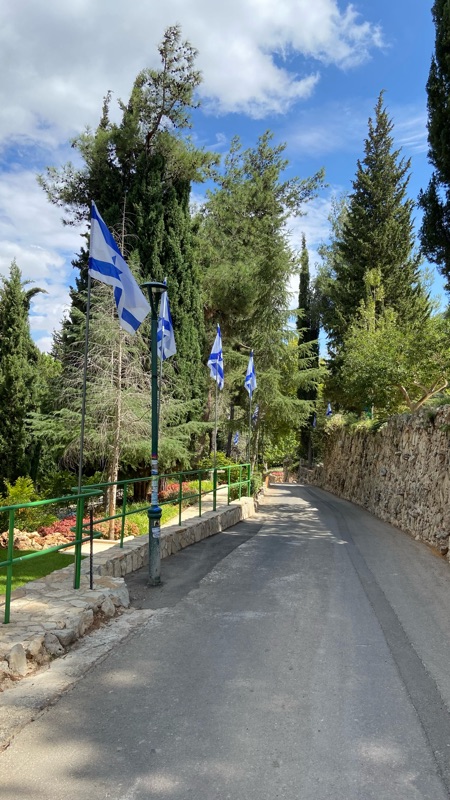
Remembering October 7, 2023 in Israel. IDF soldiers killed, and others, and now buried at Mount Herzl National Military Cemetery in Jerusalem, Israel.
Photos by Steve Martin in Jerusalem Oct. 4, 2026
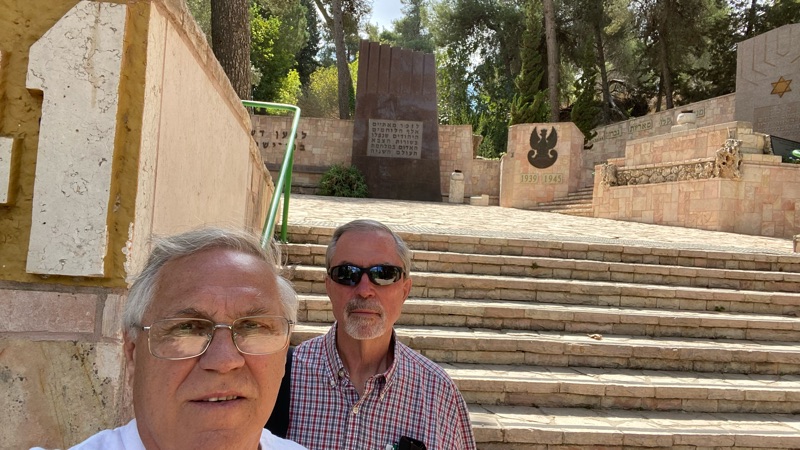
Steve Martin and David Lauka
| |||||||||||||||||||||||||||||||||||||||||||||||||||||||
| |||||||||||||||||||||||||||||||||||||||||||||||||||||||
|