Thousands of British Christians answer ‘Ruth Call’ to stand with Israel
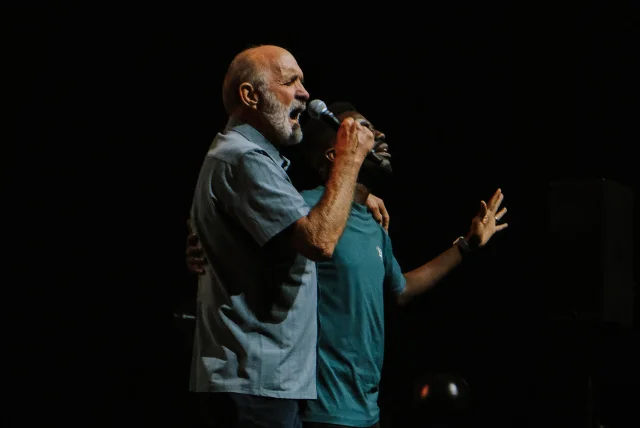
Thousands responded to a challenge to join Ruth’s covenantal vow: “Your people will be my people, your God will be my God” and to turn towards Israel at the “Battle for Britain” prayer event in Manchester last weekend.
Lou Engle, pioneer of the prayer movement “The Call,” which has drawn hundreds of thousands of Christians in the U.S., was invited to speak at an event organized by Prayer Storm in the UK, encouraging believers to fast and pray for Britain's destiny.
Engle told the crowd that while he led prayer movements in the past which contributed to victories such as the overturning of the Roe v. Wade abortion law, he considered them his “lions and bears” in preparation for the “Goliath” of tackling antisemitism.
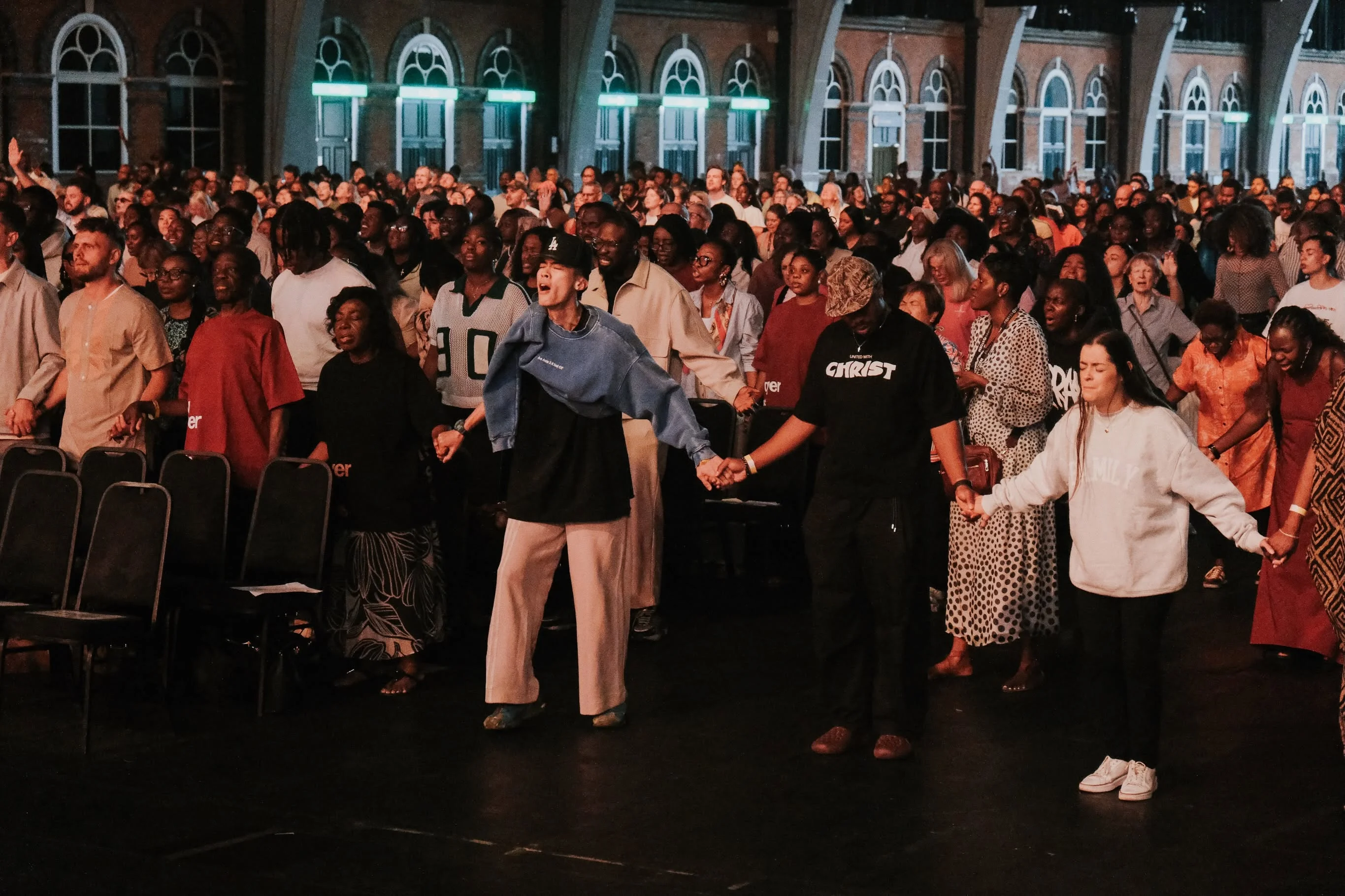
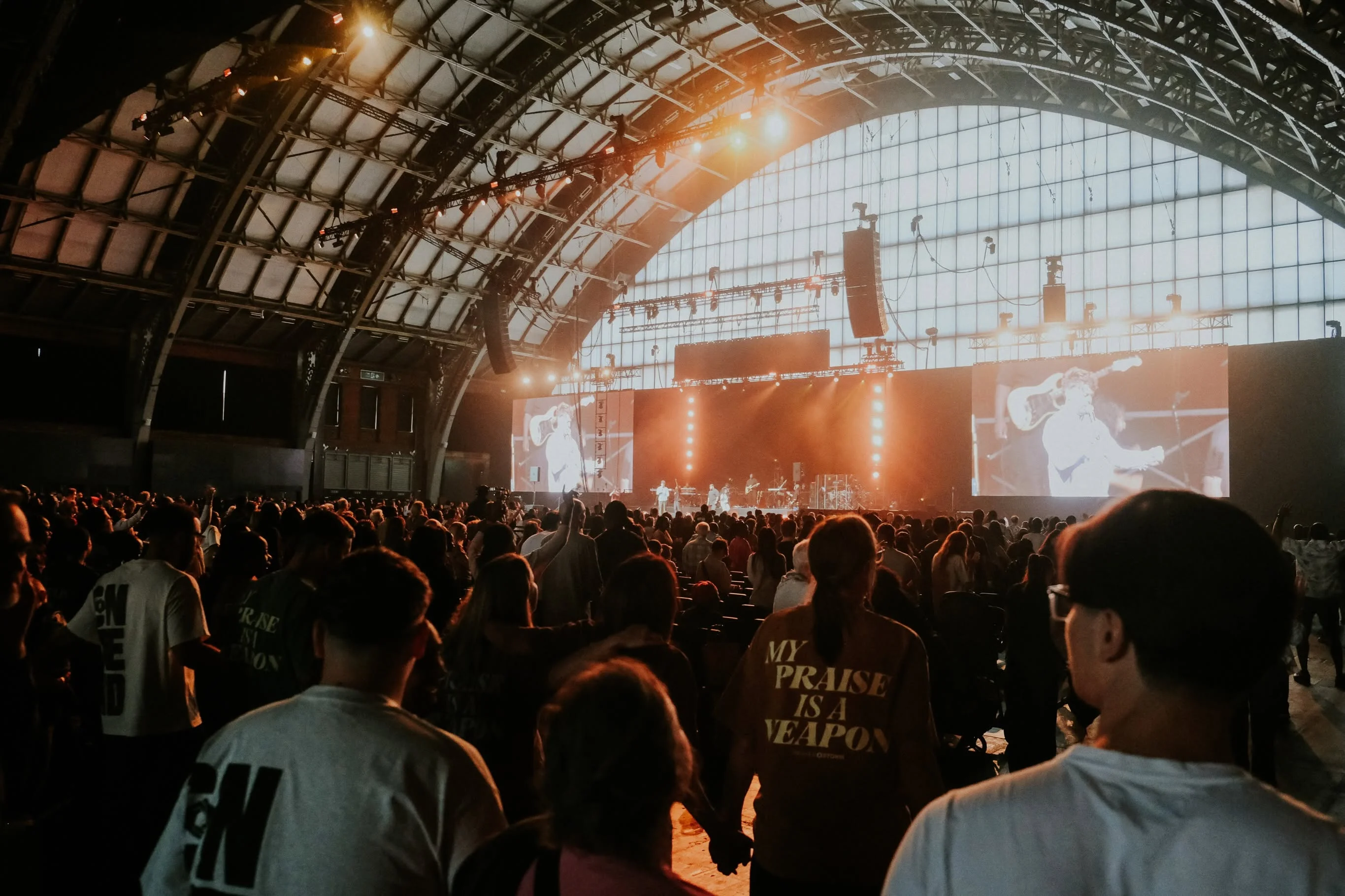
The Prayer Storm event, led by James and Rebecca Aladiran, took place Aug. 20-22 at the Manchester Central Convention Complex, which can host 10,000 people. Last year’s inaugural event drew 5,000 who gathered to seek God and intercede for the nation in response to the call to fast and pray.
But Engle’s message was unexpected. He described a “dream” he received on his first visit to Jerusalem, which involved four “Ruths”: the wife of Derek Prince, Ruth Graham, a worship leader in Israel, and the biblical woman from Moab.
"I've lived this dream since 2007, and I prayed it for 20 years. That the day will come when there will be a call, and the roar of Ruth all over the global church will be released when the days of antisemitism rise in the Earth. A movement will come to actually restrain that movement and release the final revival,” he toldthe gathering.
Engle said he believed that the alignment of the church with Israel in the Ruth covenant was necessary as preparation for the return of Jesus and encouraged people to make “spiritual aliyah” by turning towards Israel – a controversial challenge given the stance of the church in the UK, which is typically more pro-Palestinian.
“How can I hate Zion when the Bible says, 'Pray for the peace of Jerusalem?'" he asked, pointing to Psalm 102:13, which says it is time to favor Zion and the appointed time has come.
“The stones of Zion are dear to the servants of God – the very land! I'm not talking about the government. I am talking about the ancient dream. I'm talking about the dwelling place of Yahweh. I am talking about the return of Christ,” he said.
Engle also talked about another dream that the father of Zionism, Theodore Herzl, shared near the end of his life with biographer Reuven Brainin:
“When I was twelve years old, a German book fell into my hands… in which I read the story of Mashiach, the king of Israel,” Herzl told Brainin. “He will arrive as a poor man riding a donkey.”
Herzl then described a dream in which he was “lifted in the arms of Mashiach, soaring on the wings of the wind” until they encountered Moses. Mashiach called to Moses, “For this child I have prayed!” He then turned to Herzl and commanded: “Go and announce to the Jews that I will soon come and perform great miracles for my people and for the whole world!” (Georges Yitshak Weisz, Theodor Herzl: A New Reading, 107–109).
“God was the prophetic storm behind the Zionist movement,” declared Engle, saying he believed Herzl’s booklet “The Jewish State” was a turning point in history. He also pointed out that Manchester is known as the "cradle of British Zionism" due to the role it played in the early days of the movement, which ultimately led to the rebirth of the State of Israel.
“I am a lover of Zion. Not the government, but why criticize the government rather than pray for it?” Engle asked, saying that joining the mob in criticizing Israel can escalate into antisemitism and the demonic call for the death of Jews.
He encouraged the delegates to pray Ruth’s declaration as “an act of spiritual warfare against the Islamic spirit,” inviting them to stand if they were in agreement.
“We separated ourselves from our fathers, from our roots at the Nicene Council. We removed Israel from all the Gentile churches. We sinned against each other, but the hearts of the children are turning to the Fathers,” Engle confessed, invoking Romans 11 and Paul’s warning not to be arrogant against the Jewish people.
“Lord, right now, we enter into a covenantal alignment to bring England back to the very home she was to create. Father, your people will be my people!” he prayed.
Though almost everyone in the room responded to the invitation to stand, the message to embrace Israel would be new and possibly even jarring to many Christians in the UK. However, Engle said he would not ask what people thought of his message, but only ask God what He thought.
“You could hear in the room in earlier sessions when Israel was mentioned that it was meeting with silence, but trusting many will be shifted into a new place of revelation,” said Jane Urquhart, a pastor from London who attended the event. “We’re praying for leaders that were there and that will hear the Ruth message online to get revelation – It’s time!”
At the conclusion of the event, James Aladiran affirmed the message to turn to Israel:
“It's giving us another strategy to combat the same spirit of Islam in this nation. Number one is that we need to turn ourselves towards Israel… We need to get rid of replacement theology and turn our hearts towards Israel."
Support our independent, on-the-ground reporting from Israel. Become a $5/month Ally.