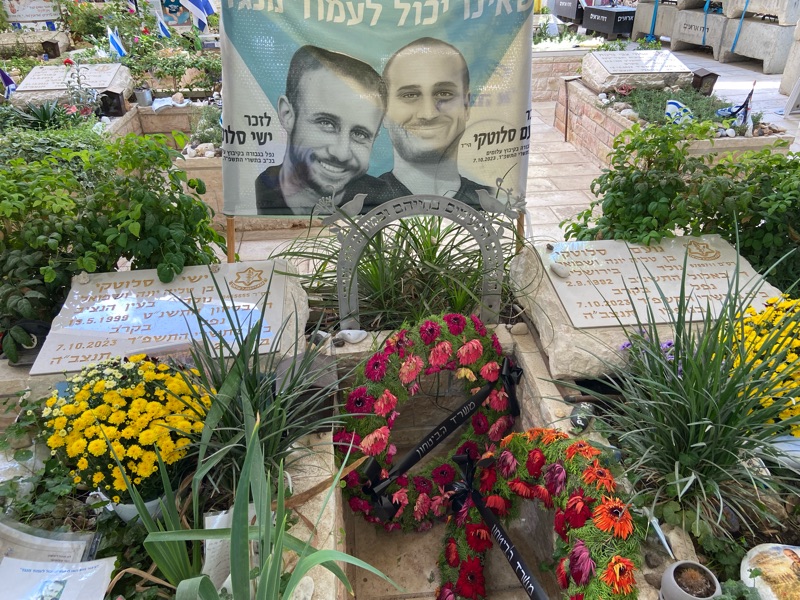
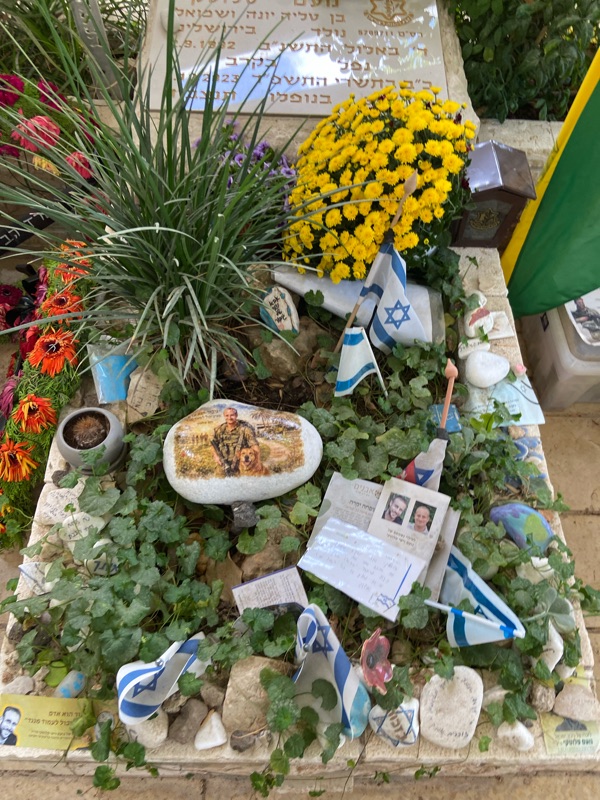
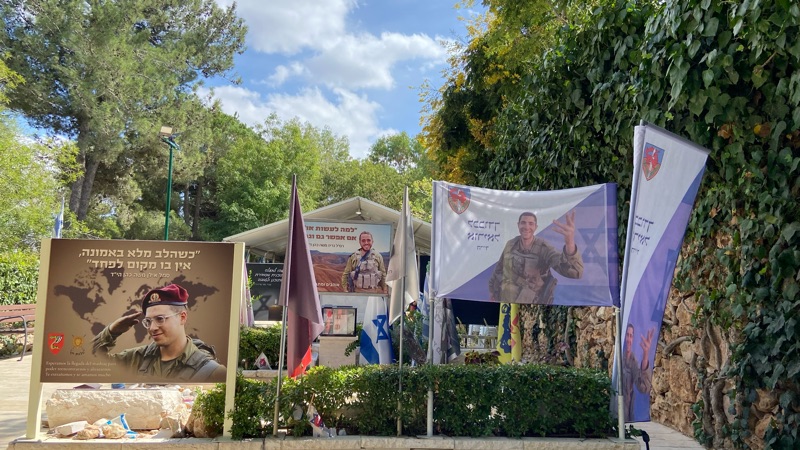
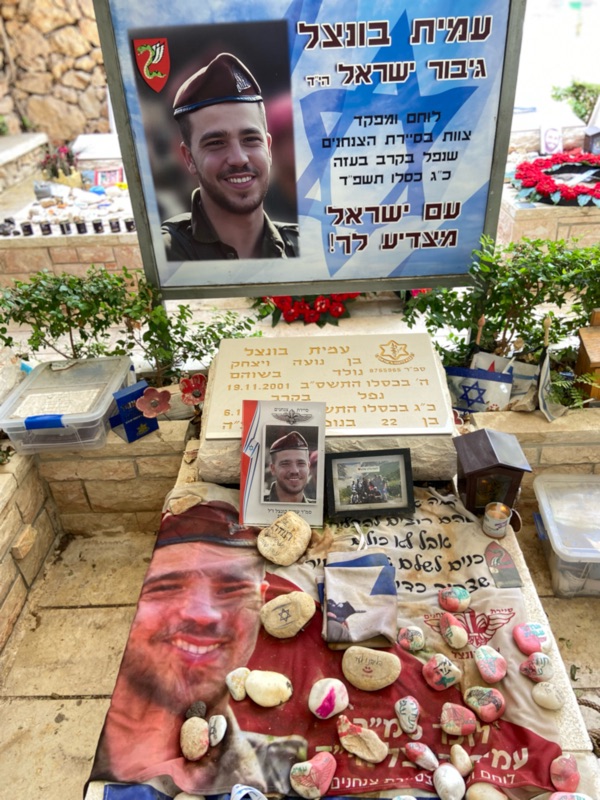
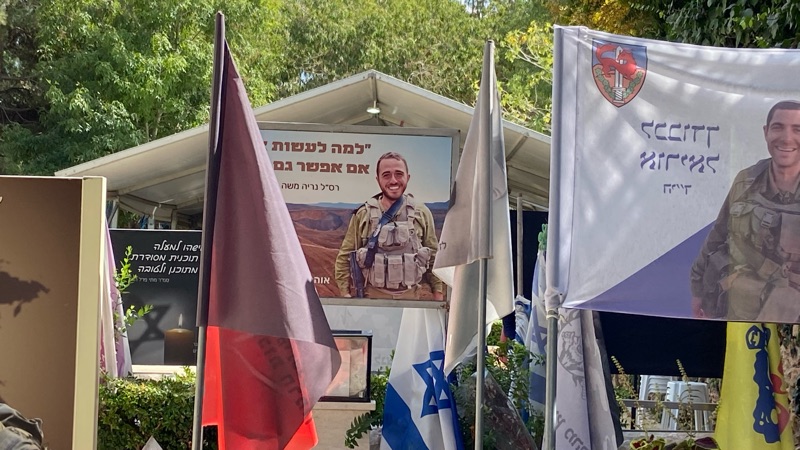
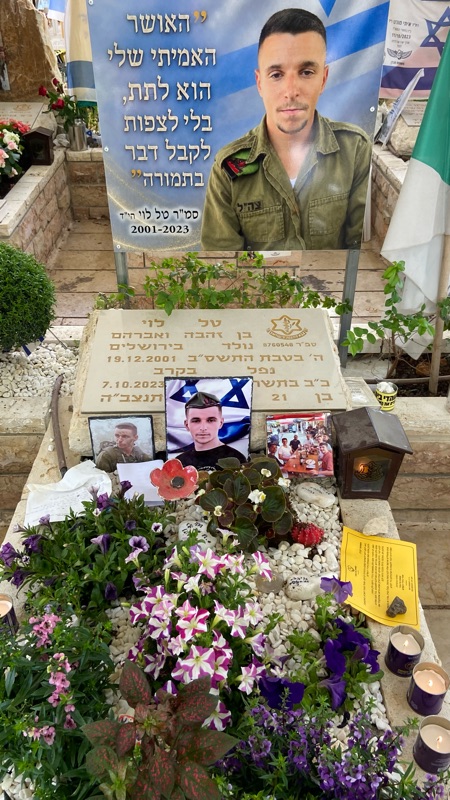
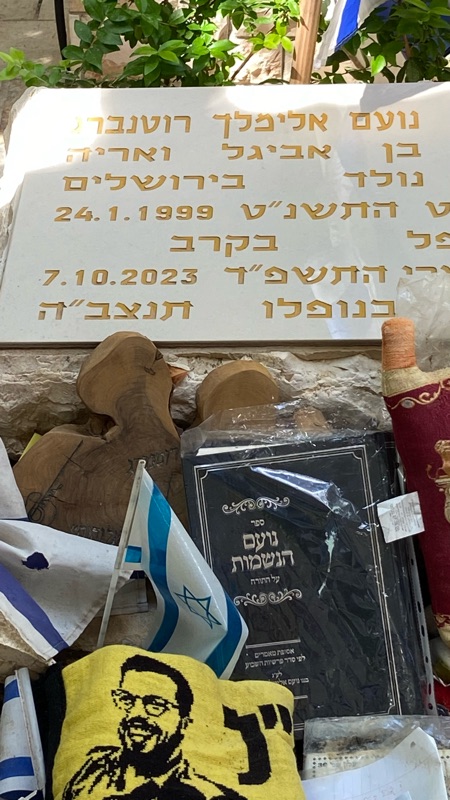
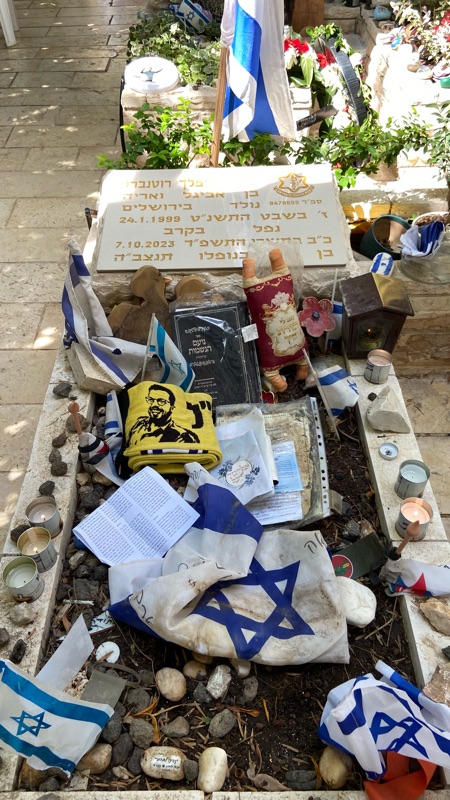
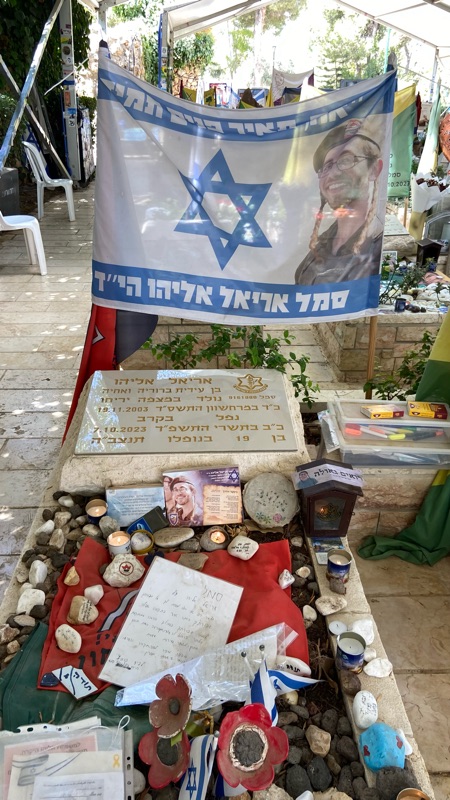
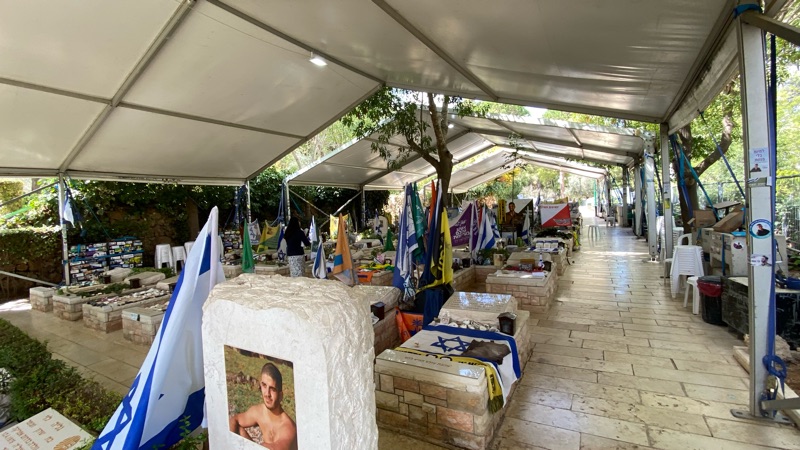
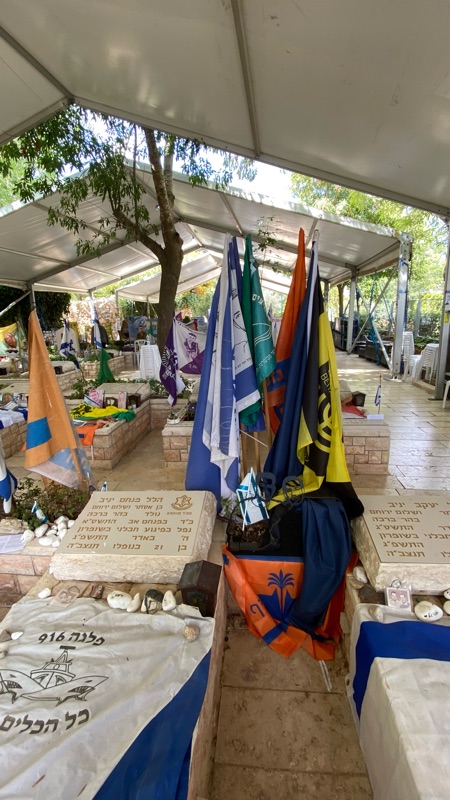
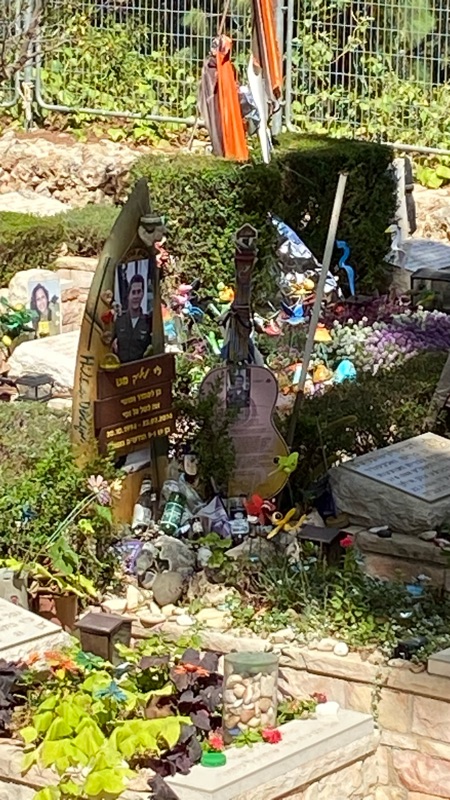
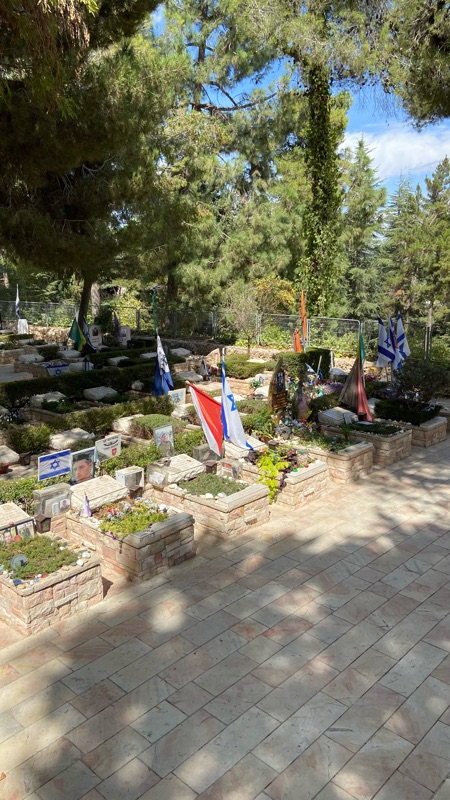
Remembering October 7, 2023 in Israel. IDF soldiers killed, and others, and now buried at Mount Herzl National Military Cemetery in Jerusalem, Israel.
Photos by Steve Martin in Jerusalem Oct. 4, 2026
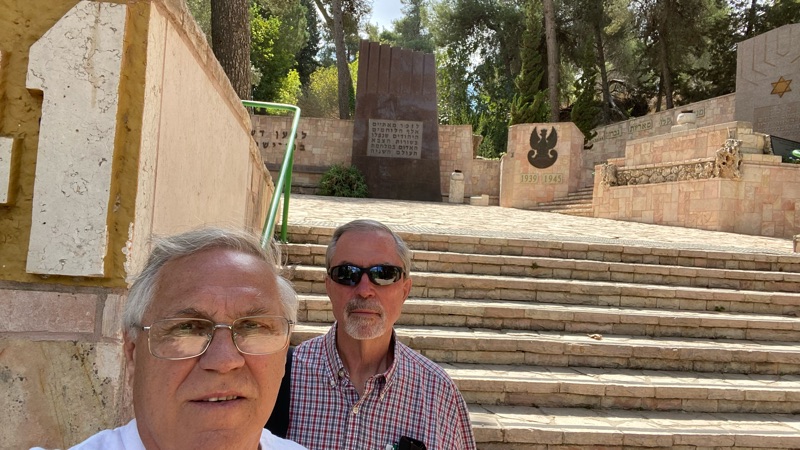
Steve Martin and David Lauka


Remembering October 7, 2023 in Israel. IDF soldiers killed, and others, and now buried at Mount Herzl National Military Cemetery in Jerusalem, Israel.
Photos by Steve Martin in Jerusalem Oct. 4, 2026
Steve Martin and David Lauka
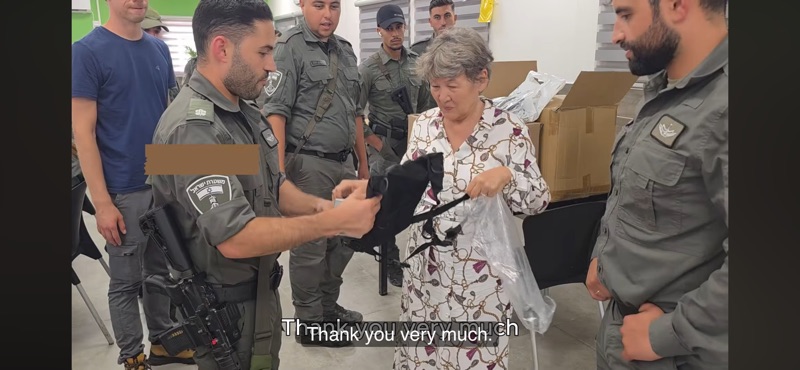
Christian Friends of Israel. Another great outreach of blessing the IDF who protect their Land.
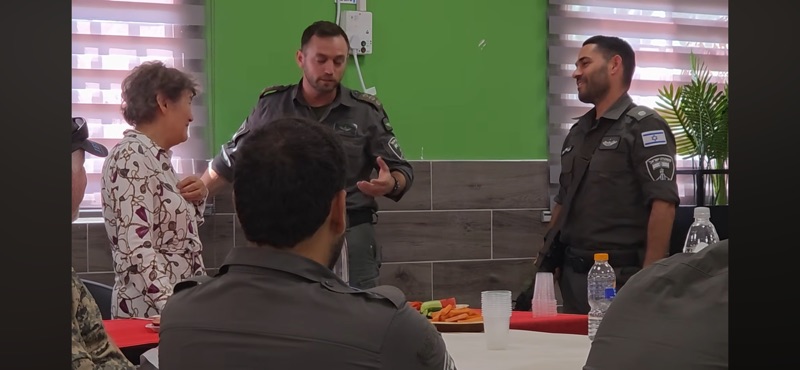
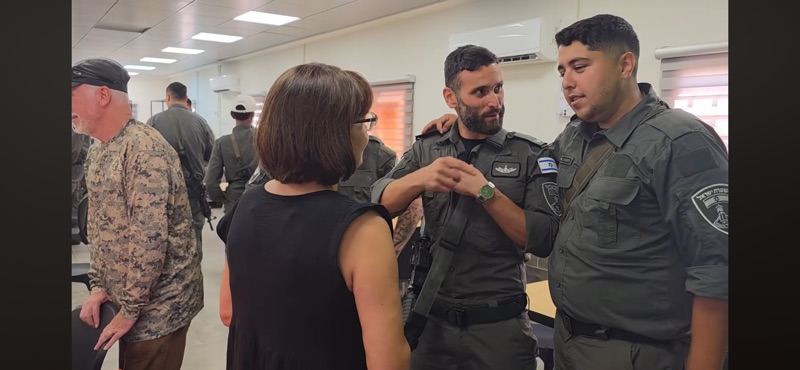
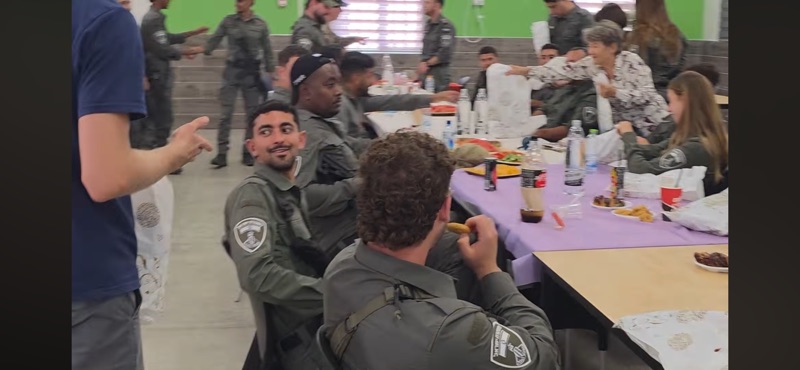
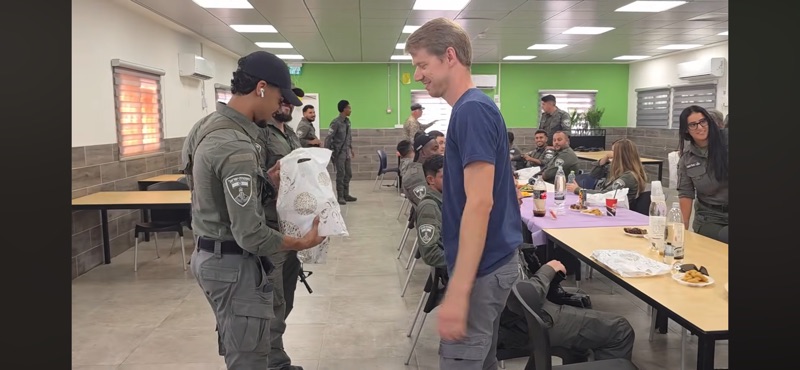
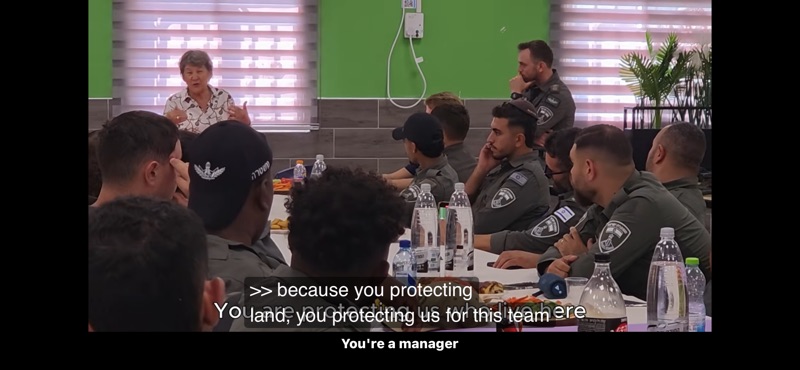
We recently had the privilege of visiting soldiers serving in Judea and Samaria — men and women from all walks of life who are united by a common purpose: protecting the people and land of Israel.
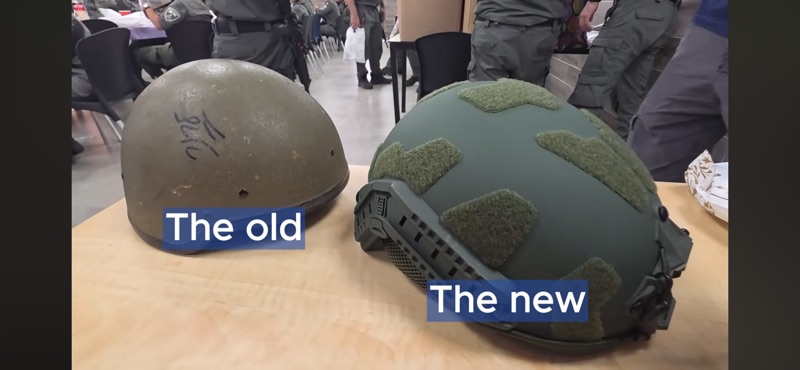
We came simply to encourage them and thank them for their faithful service. Our team brought helmets, CamelBak water packs, Tanach Bibles, snacks and other treats as a small expression of our gratitude for all they do.
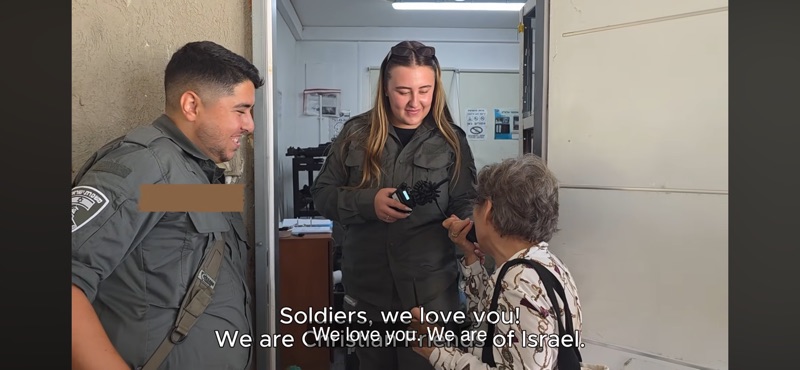
What we didn't expect was the warmth with which they received us.
Their smiles, heartfelt words and genuine appreciation reminded us that even simple acts of kindness go a long way.
Love For His People Ministry was founded in 2010 by Steve & Laurie Martin. Charlotte, NC USA
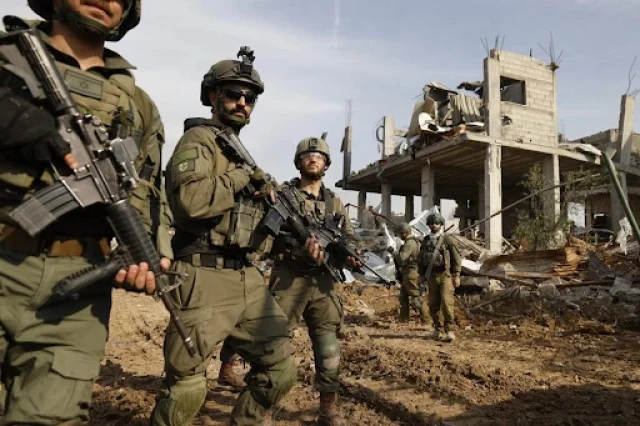
A new documentary, written and directed by Hannah Puder, highlights the dramatic Israeli rescue of hostages Noa Argamani, Shlomi Ziv, Almog Meir Jan, and Andrey Kozlov from Gaza, packing many lesser-known details about the operation into 16 short minutes to share with the world.
There have been a number of film-worthy hostage rescues that made it to the big screen, including “Raid on Entebbe” about the 1976 Israeli operation in Uganda rescuing a planeload of people from Palestinian terrorists, and the Tom Hanks film “Captain Philips” which portrayed the Somali pirate hijacking of a cargo ship in 2009.
Now Puder questions why the extraordinary recovery of four Israeli hostages from the hands of Hamas has received such public criticism rather than adulation as one of the greatest military rescues in history.
Named after Chief Inspector Arnon Zmora, who was killed during the high-stakes operation, “Operation Arnon” was planned and executed with extreme precision. On June 8, 2024, the IDF raided two houses in the Nuseirat refugee camp in the heart of Gaza after it became known that the four hostages were being held above ground – Noa Argamani in one house and the three male hostages in the other.
"Israel, throughout the war, knew the location of many of the hostages,” retired IDF Brigadier Gen. Amir Avivi states in the film, a fact that may come as a surprise to many. “Knowing the location doesn’t mean you have the operational capability to release them militarily."
The documentary presents the challenges the IDF faced in planning not only how to approach the houses undetected, but also how to overcome the captors before they executed the hostages, and crucially, how to exit safely.
As Avivi says, “You need to be 99% sure you can go in and get the hostage out alive."
More than that, meticulous planning was required to make sure the soldiers could also return safely together with the hostages. The documentary provides insight into the levels of intelligence collected for the complex operation, which required simultaneous assaults on multiple locations and a high-risk infiltration into a densely populated, unfamiliar urban battlefield. It also portrays the intense live fire that the operation triggered, and the circumstances in which Arnon lost his life.
“They stirred up a hornet's nest," said former IDF spokesman Jonathan Conricus. "Every Hamas and Islamic Jihad fighter with a weapon, and every civilian lookalike, was out on the streets. And more Hamas reinforcements quickly responded."
The documentary presents firsthand accounts from the Israeli commanders and intelligence officials involved, and also from the family of Chief Inspector Arnon as they relay what happened in the last moments of their son’s life.
In the wake of international criticism of the raid, which focused on the high casualty reports from Gaza and sidelined the extreme challenges the IDF had to deal with, the film also looks at the broader issues surrounding the war and its portrayal in the media.
